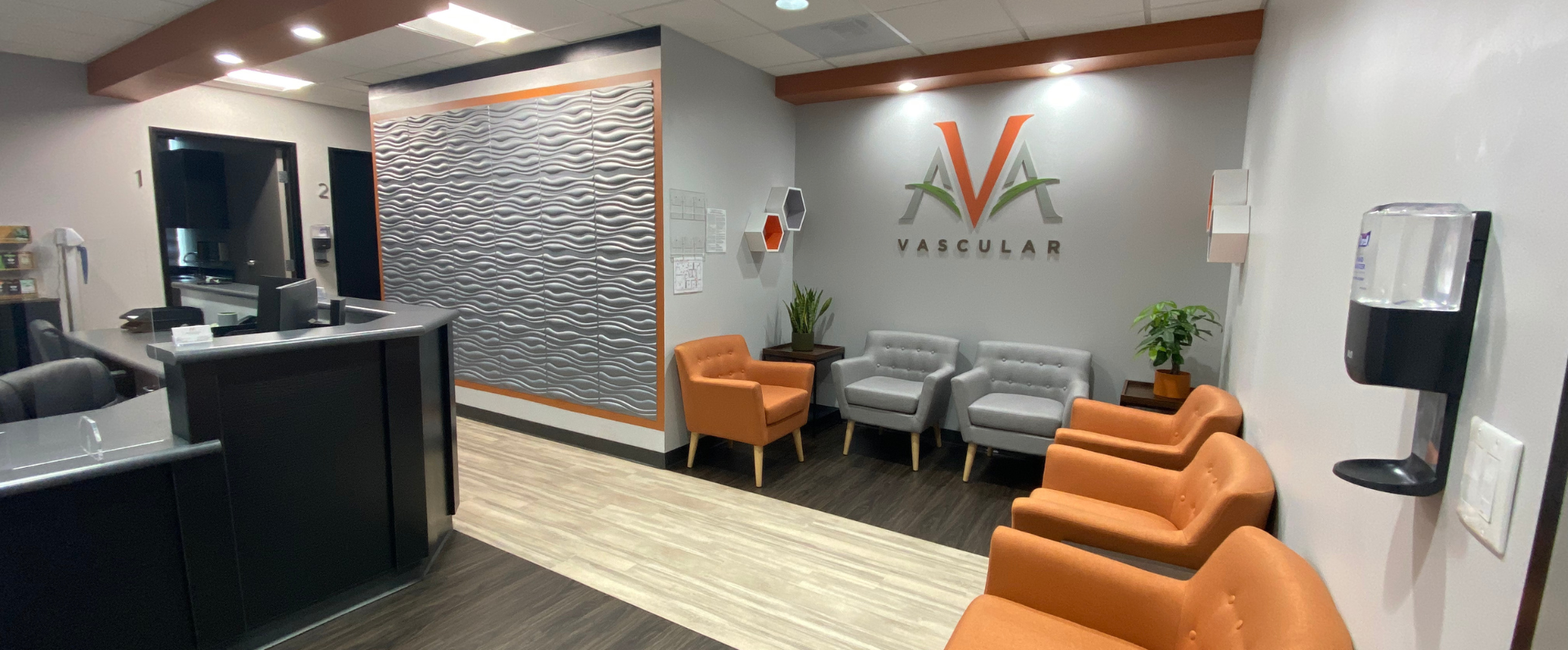
AVA Vascular is state of the art medical facility providing care for peripheral artery disease, alternative knee replacement treatment and all vascular diseases.

FAQ

Frequently Asked Questions

Diagnosis & Testing

Ultrasound measures blood flow in arteries to find narrowed/blocked sections. Angiogram involves imaging the arteries (often using dye) to see exact locations needing intervention.

Vascular testing such as vascular ultrasound; screening for arterial blockages; possibly angiogram to pinpoint where circulation is impaired.

Diagnosis & Treatment

Yes. Many patients do. Overlooking PAD when dealing with neuropathy can leave some symptoms untreated. Treating both may be necessary.

Because neuropathy may not be the only—or primary—cause. Poor circulation from PAD could be limiting blood supply, impairing healing, causing cramps. Treatment aimed at nerves won’t work if arteries are blocked.

Neuropathy Symptoms

These symptoms are common in neuropathy because damaged nerves misfire. To manage: gentle daily foot care, protective footwear, medication or therapy as needed.

PAD Symptoms

Yes, especially when it progresses. Rest pain can occur, particularly in small muscles of the feet and toes, often at night when lying down.

In PAD, cramps or pain during activity (walking, climbing) typically improve when you rest. This is a distinguishing feature.

Non-healing ulcers, especially on toes or feet; wound that recurs; skin thinning; hair loss on legs; nail changes; cold skin.

At night, lying flat reduces the effect of gravity which helps blood flow; also circulation problems tend to become more noticeable when muscles are at rest or when feet elevated. This can lead to cold feet, numbness, tingling, or cramps that wake people.

Pain/cramping in legs during walking/exertion which is relieved by rest. It’s a hallmark symptom of PAD.

A severe form of PAD where blood flow is so limited that even rest causes pain; open sores/wounds may appear; urgent treatment needed.

PAD vs Neuropathy

With PAD: cramps during exertion (claudication), pain relieved with rest; rest pain in toes, especially at night; cold feet; skin/nail changes; sores or wounds that don’t heal. Neuropathy more so tingling, burning, numbness, often affected by sugar control.

Yes. PAD can have overlapping symptoms with neuropathy (pain, numbness, tingling, leg cramps) but is caused by poor blood flow (arterial narrowing/blockage). If treatment for neuropathy is not helping, PAD should be tested.

Patient Guidance

If treatments for neuropathy (medications, creams, etc.) don’t relieve cramps or pain; if wounds aren’t healing; if rest pain, cold feet, skin changes happen; if no vascular tests have been done. You may need a second opinion.

Neuropathy and PAD both can lead to balance issues, unsteadiness; night pain can disturb sleep. Solutions include physical therapy, balance training, addressing vascular circulation, proper pain management.

Describe where cramps/pain are, when they occur (during walking? rest? night?), any wounds, coldness, skin changes; mention all risk factors (diabetes, smoking, etc). Ask if vascular testing has been done or could be done.

Prevention & Lifestyle

Very important. Because neuropathy reduces sensation, a person might not notice sores; keeping skin moisturized (but not between toes), wearing well-fitting shoes, checking feet daily, seeking care for any sore that doesn’t improve is essential.

Very important. Because neuropathy reduces sensation, a person might not notice sores; keeping skin moisturized (but not between toes), wearing well-fitting shoes, checking feet daily, seeking care for any sore that doesn’t improve is essential.

Yes: good control of blood sugar (for diabetics), managing hypertension/cholesterol, quitting smoking, good foot care, proper footwear, regular movement/walking as tolerated.

Risk Factors & Causes

Diabetes, hypertension, high cholesterol, smoking, older age (especially >65), renal failure. These conditions contribute to plaque buildup and narrowing of arteries.

Treatment Options

Surgery is typically avoided. AVA emphasizes minimally invasive options. Surgery or amputation may be considered only if non-invasive or interventional options are not possible or in very advanced disease, but many cases are treatable without major surgery.

Surgery is typically avoided. AVA emphasizes minimally invasive options. Surgery or amputation may be considered only if non-invasive or interventional options are not possible or in very advanced disease, but many cases are treatable without major surgery.

Angioplasty of arteries; opening blocked vessels with catheter-based procedures; opening circulation all the way to small vessels and toes; outpatient interventions avoiding major surgery.

Minimally invasive interventional radiology procedures like angioplasty to open narrowed arteries, restore blood flow—even down to the toes. These can often be done outpatient, without general anesthesia.

Treatment Outcomes

That refers to an ulcer or injury at the big toe that isn’t healing despite standard wound care. In the example on AVA’s site, opening tiny blood vessels via angioplasty led to healing of such a wound in ~6 weeks.

The site cites a case where a wound healed and neuropathy improved within about 6 weeks after angioplasty to restore blood flow to the toe.

Yes. In some cases, restoring blood flow helps heal wounds, reduce pain, and improvement of neuropathy symptoms has been reported after vascular intervention.

We offer an alternative to traditional surgeries which can have long recovery timesand higher rates of complications for many common conditions such as arthritis of the knee, BPH, and hemorrhoids. We bring awareness to both patients and primary care physicians about PAD and alternative minimally invasive treatment options.

Blogs

Finding Relief from Chronic Heel Pain: Fernando’s...

Top 3 Takeaways If you’ve been battling heel pain for years with little to no...

November 03, 2025

Case Study: No Answers for Osteoarthritis Knee...

Top 3 Takeaways Read the full blog here: Has knee osteoarthritis derailed your plans for...

November 18, 2025

Dr. Nik Patel Named PAD Humanitarian of...

About the Global PAD Association The Global PAD Association is dedicated to raising awareness, advancing...

October 22, 2025

Five Signs Your Leg Cramps Aren’t Just...

Top 3 Takeaways for Patients with Leg Cramps Read the full article here: Five Signs...

October 28, 2025

View all

BOOK AN APPOINTMENT


    OUR OFFICES & YOUR OPPORTUNITY TO RATE OUR SERVICES

    25485 Medical Center Drive, Suite 106,
    Murrieta CA, 92562

    1-833-LEG-CRAMP

    1820 Fullerton Ave, Suite 125,
    Corona, CA 92881

    1-833-LEG-CRAMP

    906 Sycamore Ave, Suite 100,
    Vista, CA 92081

    1-833-LEG-CRAMP

    Areas We Serve